
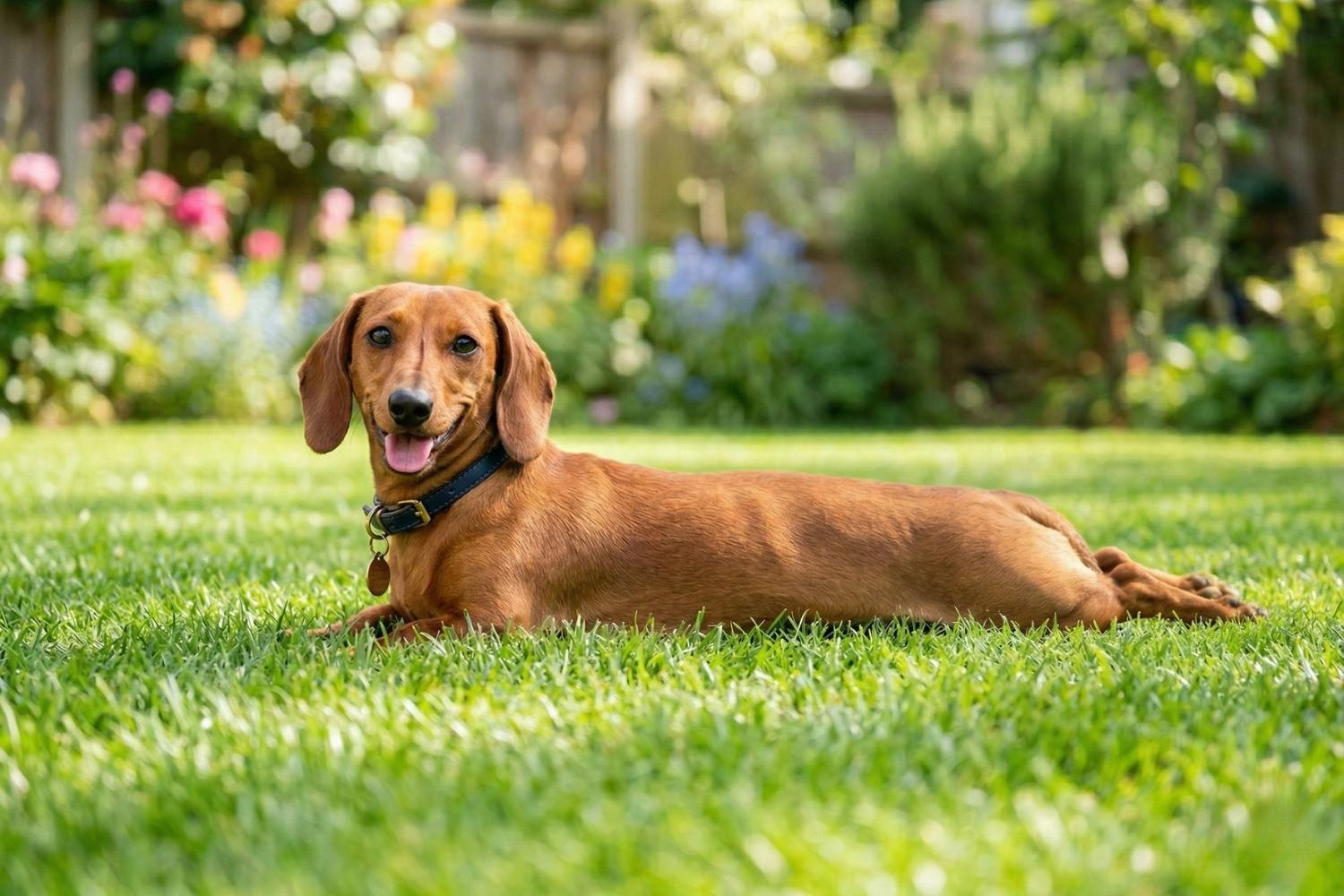
The term caterpillar dogs might sound unusual at first, but dog lovers across the internet use it to describe certain adorable pups with long bodies, short legs, and a wiggly movement that resembles a crawling caterpillar. These dogs are not an official breed category, but rather a fun nickname inspired by their shape, posture, and playful behavior.
From Dachshunds to Corgis, these charming dogs have captured the hearts of pet owners worldwide. Their unique appearance, quirky personality, and affectionate nature make them stand out in any household.
In this guide, we’ll explore everything you need to know about caterpillar dogs, including popular breeds, fun facts, care tips, and training strategies. Whether you’re considering adopting one or simply curious, this article will give you a complete understanding.
What Are Caterpillar Dogs?
Caterpillar dogs are typically:
- Long-bodied
- Short-legged
- Low to the ground
- Known for their “wiggly” or crawling movement
This nickname comes from the way these dogs stretch out, especially when lying down or moving slowly, resembling a caterpillar inching forward.
They’re often part of breeds originally developed for hunting or herding, where their body shape gave them an advantage in navigating tight spaces like burrows.
Popular Caterpillar Dog Breeds
1. Dachshund
One of the most iconic caterpillar dogs, Dachshunds are famous for their elongated bodies and tiny legs.
- Originally bred for hunting badgers
- Extremely loyal and brave
- Playful yet stubborn
2. Corgi
Corgis may be small, but their personalities are huge.
- Known for their fluffy bodies and short legs
- Highly intelligent and energetic
- Love attention and interaction
3. Basset Hound
Basset Hounds bring a relaxed and lovable vibe.
- Long ears and droopy eyes
- Strong sense of smell
- Calm and affectionate
4. Shih Tzu (When Relaxed)
Though not naturally long-bodied, Shih Tzus often stretch out in a way that mimics the caterpillar look.
- Companion-focused breed
- Friendly and affectionate
- Great for families
Why Are Caterpillar Dogs So Popular?
1. Unique Appearance
Their long torso and short legs create a look that is instantly recognizable and irresistibly cute.
2. Social Media Appeal
Caterpillar dogs often go viral thanks to their funny poses, especially the famous “sploot” where they lie flat on their belly.
3. Loving Personality
These dogs are known for forming strong bonds with their owners and thrive on companionship.
Fun Facts About Caterpillar Dogs
- Their body shape is due to a genetic trait called chondrodysplasiMany were bred for hunting underground animals
- Despite their size, they are surprisingly strong and agile
Training Tips for Caterpillar Dogs
Training a caterpillar dog can be both fun and challenging. Here’s how to do it effectively:
1. Start Early
Begin training as a puppy to establish good habits. Early socialization is key to preventing stubborn behavior.
2. Use Positive Reinforcement
Reward-based training works best:
- Treats
- Praise
- Toys
Avoid harsh punishment, as these dogs respond better to encouragement.
3. Be Consistent
Consistency is crucial. Use the same commands and routines daily to avoid confusion.
4. Keep Sessions Short
These dogs can get bored quickly, so keep training sessions:
- 10–15 minutes long
- Engaging and fun
5. Focus on Leash Training
Due to their body structure, proper leash training helps prevent strain on their back.
Health Considerations
Caterpillar dogs are adorable, but their body structure requires special care.
1. Back Problems
Their long spine makes them prone to issues like:
- Intervertebral Disc Disease (IVDD)
Prevention Tips:
- Avoid jumping from heights
- Use ramps instead of stairs
- Maintain a healthy weight
2. Weight Management
Extra weight puts pressure on their spine. Feed a balanced diet and ensure regular exercise.
3. Regular Vet Checkups
Routine health checks help detect issues early and keep your dog healthy.
Grooming Needs
Grooming depends on the breed, but general tips include:
- Brush regularly to reduce shedding
- Clean ears (especially for Basset Hounds)
- Trim nails to prevent discomfort
- Bathe occasionally with dog-safe shampoo
Are Caterpillar Dogs Good Family Pets?
Absolutely! Caterpillar dogs are:
- Great with children
- Loyal companions
- Adaptable to apartments and houses
However, they do best in homes where:
- They receive attention
- Exercise is part of the daily routine
- Their physical limitations are understood
Tips Before Bringing One Home
Before adopting or buying a caterpillar dog:
- Research the breed thoroughly
- Prepare your home (ramps, soft bedding)
- Plan for training and grooming
- Ensure you have time for companionship
Conclusion
Caterpillar dogs are more than just a cute internet trend—they’re loving, loyal companions with unique physical traits and personalities. Whether it’s a Dachshund’s bravery, a Corgi’s energy, or a Basset Hound’s calm demeanor, these dogs bring joy to any home.
With proper care, training, and attention to their health needs, caterpillar dogs can live happy, fulfilling lives and become an unforgettable part of your family.


