
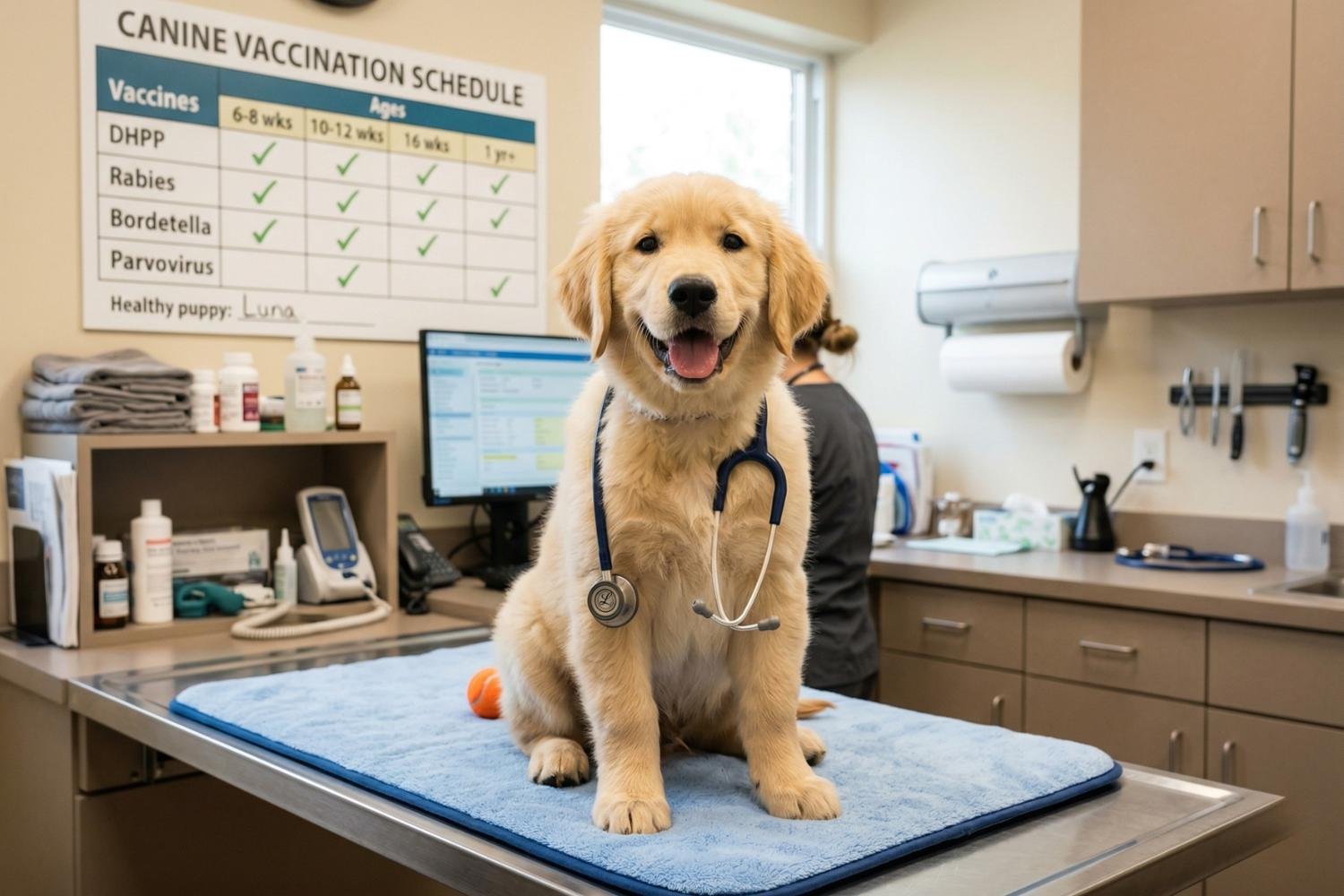
Vaccinating your dog is one of the most important steps you can take to ensure their long-term health and happiness. From preventing deadly diseases to protecting public health, dog jabs play a critical role in responsible pet ownership. In this guide, we’ll break down the types of vaccinations, recommended schedules, and why they matter.
What Are Dog Jabs?
Dog jabs, or vaccinations, are injections that stimulate a dog’s immune system to recognize and fight harmful pathogens. Much like humans, dogs rely on vaccines to prevent diseases that can be deadly or cause lifelong complications.
Vaccinations can be core or non-core, depending on the risk level of the disease in a dog’s environment.
Types of Dog Jabs
1. Core Vaccinations
Core vaccinations are recommended for all dogs, regardless of their lifestyle or location. These include:
- Distemper, Adenovirus, Parvovirus (DAP/DHP)
- Protects against highly contagious viruses that affect the respiratory, gastrointestinal, and nervous systems.
- Rabies
- Rabies is fatal and can infect humans. Vaccination is legally required in most areas.
- Parainfluenza
- Often included in combination vaccines; protects against kennel cough.
2. Non-Core Vaccinations
Non-core vaccines are given based on your dog’s lifestyle, location, and risk exposure:
- Bordetella bronchiseptica
- Protects against kennel cough, especially for dogs in boarding facilities.
- Leptospirosis
- Bacterial infection that can be transmitted to humans.
- Lyme Disease
- Recommended for dogs in areas with high tick populations.
- Canine Influenza
- Protects against flu-like symptoms in dogs; often recommended in urban environments or group dog settings.
Why Vaccinations Are Important
Vaccinations are crucial for several reasons:
- Prevent Deadly Diseases
Many canine illnesses, like parvovirus and rabies, are highly fatal without vaccination. - Protect Public Health
Diseases such as rabies can spread from dogs to humans, making vaccination essential. - Community Protection
Vaccinated dogs help prevent outbreaks in areas with high dog populations, protecting unvaccinated or vulnerable dogs. - Cost-Effective Care
Treating a preventable disease can be far more expensive than routine vaccinations.
Dog Vaccination Schedule
A vaccination schedule ensures dogs receive protection at the optimal time. Puppies are most vulnerable in their first few months, so timing is crucial.
Typical Puppy Vaccination Schedule:
| Age | Vaccine(s) |
|---|---|
| 6–8 weeks | DAP/DHP (Distemper, Adenovirus, Parvovirus) |
| 10–12 weeks | DAP/DHP booster, Bordetella (if needed) |
| 14–16 weeks | DAP/DHP booster, Rabies |
| 12–16 months | DAP/DHP booster, Rabies booster |
| Annually | Non-core vaccines as recommended (Leptospirosis, Lyme, Influenza) |
Adult dogs may need annual boosters or as recommended by their veterinarian.
How Are Dog Jabs Administered?
Most dog vaccinations are given as injections, usually under the skin (subcutaneous). Some vaccines, like the intranasal Bordetella vaccine, are administered through the nose.
Veterinarians follow strict protocols to ensure:
- Correct dosage
- Proper handling of vaccines
- Minimizing stress and discomfort for your dog
Common Side Effects of Dog Jabs
Most dogs experience mild side effects such as:
- Temporary soreness at the injection site
- Slight fever or fatigue
- Reduced appetite for 24–48 hours
Severe reactions are rare but require immediate veterinary attention. These may include:
- Swelling of the face or throat
- Difficulty breathing
- Persistent vomiting or diarrhea
Monitoring your dog for 24 hours after vaccination is recommended.
Tips for Stress-Free Vaccination Visits
- Bring Comfort Items – Toys or blankets can help calm anxious dogs.
- Short Walks Before the Visit – Exercise reduces stress.
- Positive Reinforcement – Treats and praise make future visits easier.
- Schedule Wisely – Avoid high-traffic times at the clinic.
How Pupify Helps Dog Owners Stay Informed
While Pupify does not provide veterinary services, it is a valuable platform connecting dog owners to trusted resources and sellers. Finding information on puppy care, vaccination tips, and preventive health products is easier when you use a community-driven platform.
Conclusion
Keeping up with dog jabs is essential for your dog’s health, safety, and happiness. Following a proper vaccination schedule and consulting your veterinarian ensures your furry friend is protected from preventable diseases. Remember, a vaccinated dog is a healthy dog—and a happy one too!


